
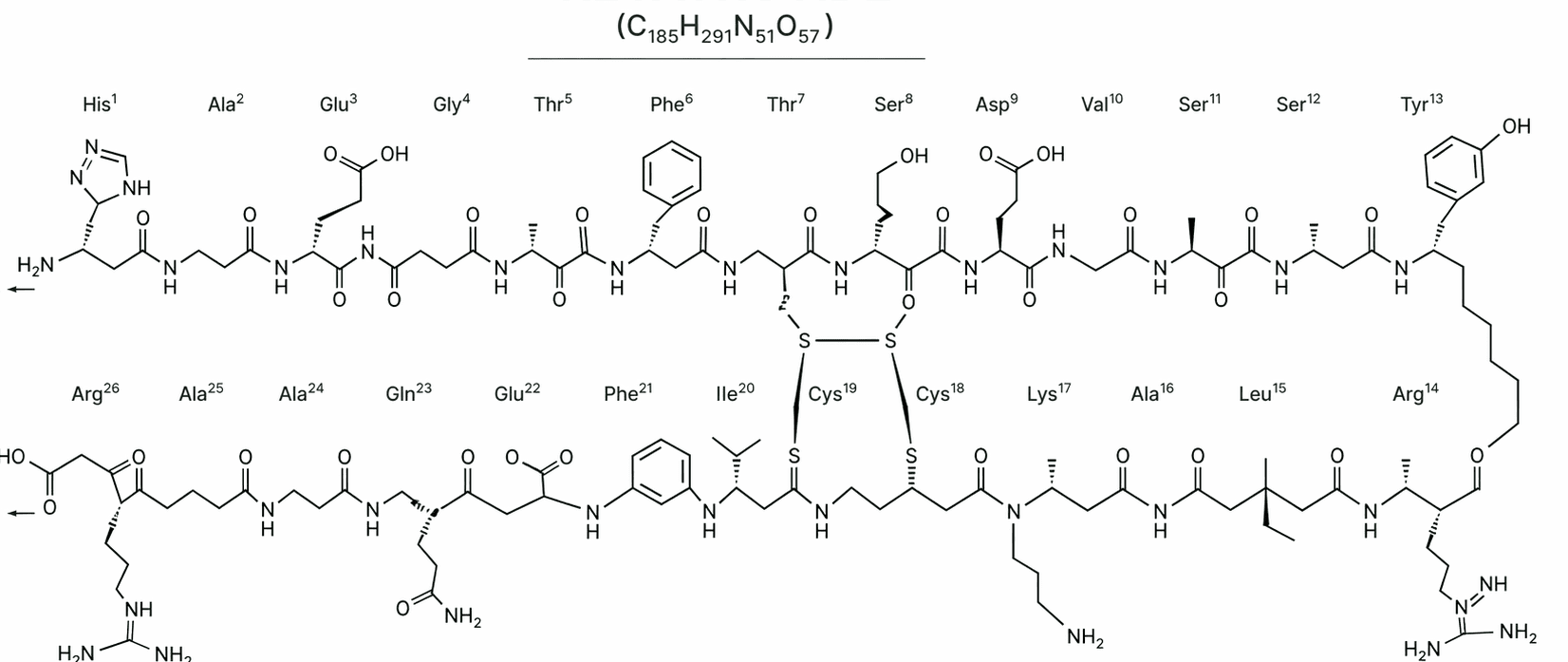
Peptide Concentration Guide

Peptide Concentration: What You Need to Know
For A Peptide Concentration Calculator Click Here.
Introduction
Peptide concentration is a key concept in preparing and handling peptides accurately. Understanding concentration ensures consistent measurements, reliable preparation, and better overall control in research settings.
This guide explains how it works, and how to choose the right concentration for your needs.
What is Peptide Concentration?
Peptide concentration refers to how much peptide is present in a specific volume of liquid.
In simple terms:
Peptide concentration = total peptide amount ÷ total liquid volume
This allows you to understand how “strong” or “diluted” a peptide solution is after reconstitution.
Why This Matters
Getting peptide concentration right is essential for:
- Accurate measurement
- Consistent preparation
- Reliable outcomes
- Reduced risk of error
If the concentration is too high, small measurement differences can have a large impact. If it’s too low, larger volumes may be required, making handling less practical.
How Concentration Works
Peptide concentration is determined during reconstitution.
- Adding less liquid = higher peptide concentration
- Adding more liquid = lower peptide concentration
For example:
- 10mg peptide + 2mL liquid = higher concentration
- 10mg peptide + 5mL liquid = lower concentration
This relationship allows you to control how concentrated your final solution becomes.
Choosing the Right Peptide Concentration
The right concentration depends on:
- Total peptide amount
- Desired measurement volume
- Accuracy of measuring tools
- Research requirements
The goal is to choose a peptide concentration that allows easy, repeatable, and accurate measurement without requiring extremely small or overly large volumes.
Common Concentration Ranges
Typical peptide concentration ranges include:
- 1mg/mL
- 2mg/mL
- 5mg/mL
- 10mg/mL
Different concentrations are chosen depending on how precise and practical the measurement needs to be.
Peptide Concentration and Reconstitution
Peptide concentration is directly created during reconstitution.
The amount of diluent added determines the final concentration of the solution.
Before adjusting peptide concentration, make sure you understand how to reconstitute peptides correctly.
Best Practices for Managing Peptide Concentration
To maintain accurate peptide concentrations:
- Always record peptide amount and liquid volume
- Label the final concentration clearly
- Use consistent measurement units
- Double-check calculations
- Keep handling consistent
Common Mistakes with Peptide Concentration
Avoid these errors:
- Guessing the dilution
- Not recording concentration
- Mixing up units (mg vs mL)
- Choosing a concentration that’s too strong or too weak
- Not adjusting concentration for measurement accuracy
Conclusion
Peptide concentration is a fundamental part of accurate peptide preparation. By understanding how peptide concentration works and choosing the right balance, you can improve consistency, reduce errors, and maintain reliable results. After preparation, follow our proper storage of peptides guide.